


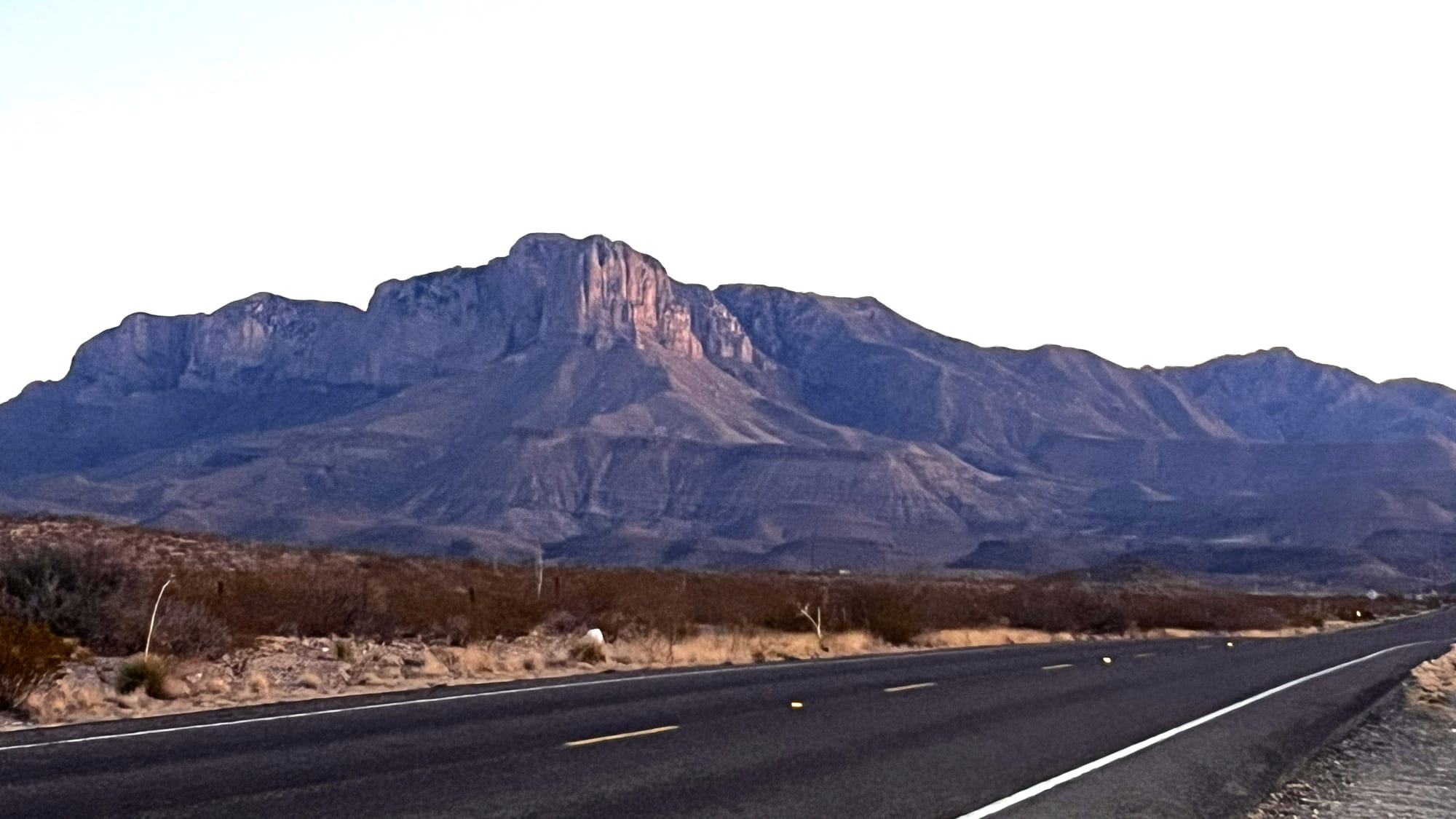
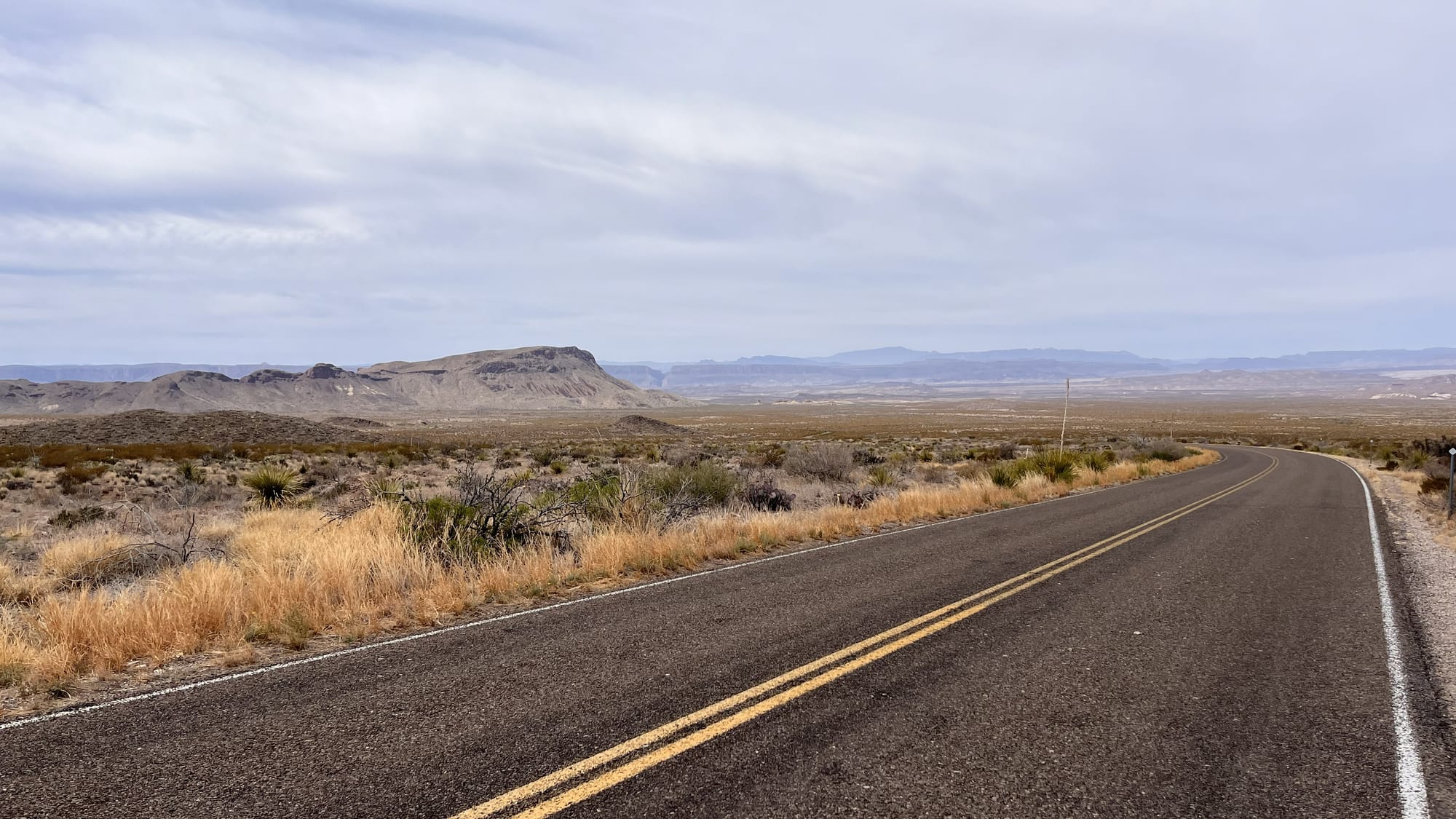
With so many things I want to see in this world, it’s rare for me to retrace my steps, but the drive between Balmorea and Fort Davis, Texas, along Hwy 17 was one I had to make twice to take in its beauty.
It was my introduction to the Davis Mountains region when I went on my first solo road trip into Far West Texas. I was surprised to find the towering cliffs in this rugged part of the state that’s more known for its vast open spaces.
Formed by volcanic activity 25 to 30 million years ago, the Davis Mountains are the largest mountain range located entirely within Texas, with elevations reaching nearly 8,400 feet. They are one of several “sky island” mountain ranges within the Chihuahuan Desert – the largest desert in North America, spanning parts of both the United States and Mexico.
These mountain ranges include the Chisos Mountains in Big Bend National Park, 96 miles south of Davis Mountains State Park, and the Guadalupe Mountains of Guadalupe Mountains National Park, which is 143 miles to the northwest. These sky islands create a cooler, wetter environment than the surrounding desert, and that, combined with location near the San Antonio-El Paso Road, made the Davis Mountains area a perfect spot to build protection for travelers headed west during the California gold rush.
These days, you don’t have to worry about raiding parties or banditos when crossing the high desert of West Texas, but you should have a plan before you hit the highway. My father’s plan to introduce his family to the region was to drive us from northeast Louisiana to the area near Devil’s River, where he went hunting with buddies. As a 16-year-old, I reacted to the trip about as apathetically as the teenagers in National Lampoon’s Vacation.
It was only later, as an adult, that I came to love the beauty he saw there. Now I’d like to share that with you, and encourage everyone to plan their own adventure into the landscape of desert, mountains, and canyons.
Getting There
I’ve taken this trip a couple of ways - once as a big circle, staying in a different town every night, and once as a hub-and-spoke, staying in one place for a while and making day trips to different locations. Which one is right for you depends a lot on how much time you have.
For a long weekend, planning a loop is better than driving out and back the same way because it enables you to see and experience a wider variety of things. If you have a week, you can make your loop that much bigger. But, if you have even more time, or if you prefer to unpack just once, then choosing one town in the center of all the different things you want to check off your list is a good way to go.
I started my drives from my home base of Austin, but if you are coming from outside of Texas, other options for flying in could be El Paso or Midland, Texas. Austin is a little over 400 miles from Fort Davis, El Paso is just 204 miles west of Fort Davis, and Midland is around 175 miles northeast, but it's a smaller airport with potentially fewer rental car options.
And a car is a must. You won’t find public transportation options out there. And while some of these towns may have an Uber or a Lyft driver or two, it’s probably cost-prohibitive to try to talk them into taking you 100 miles to the next town over.
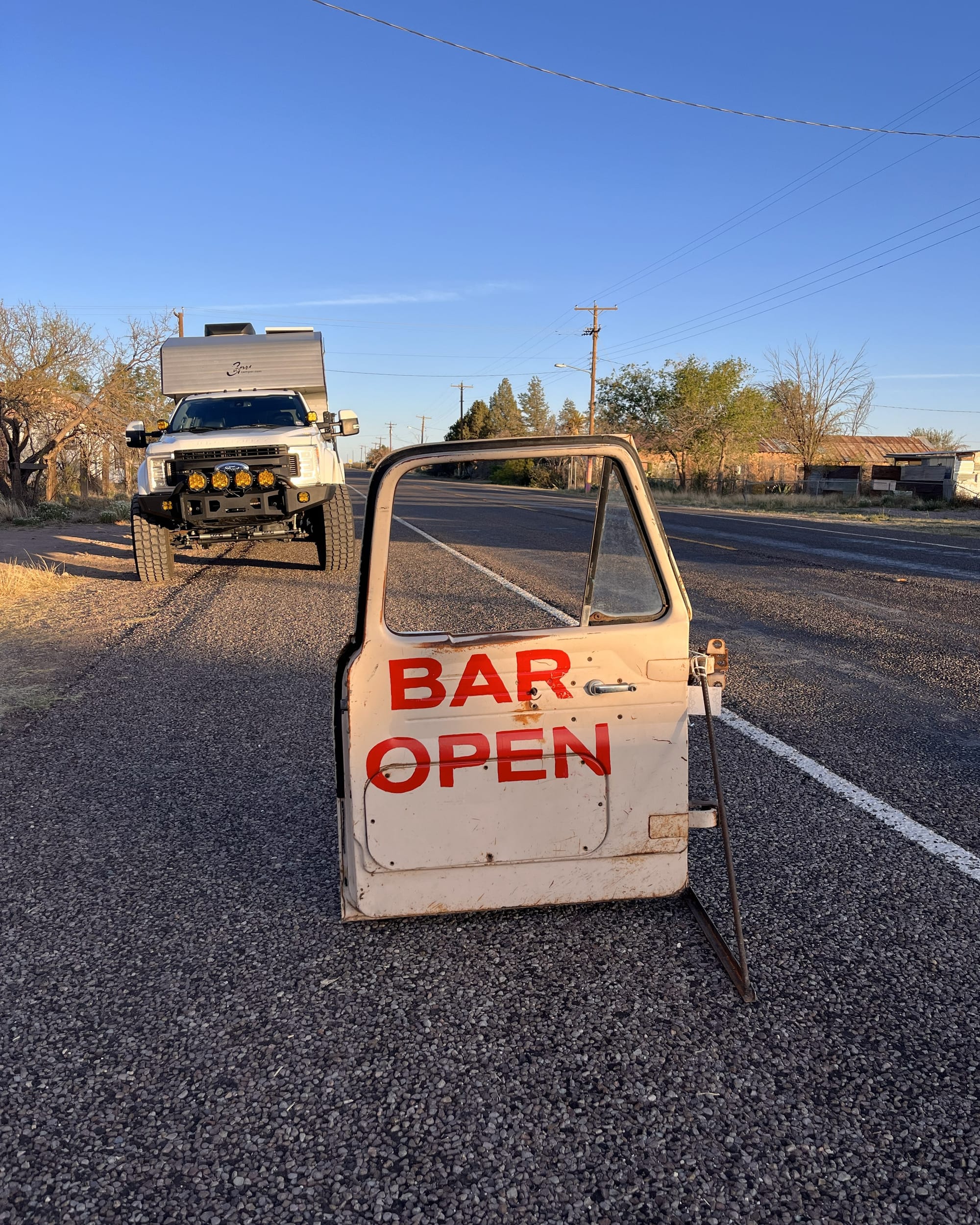
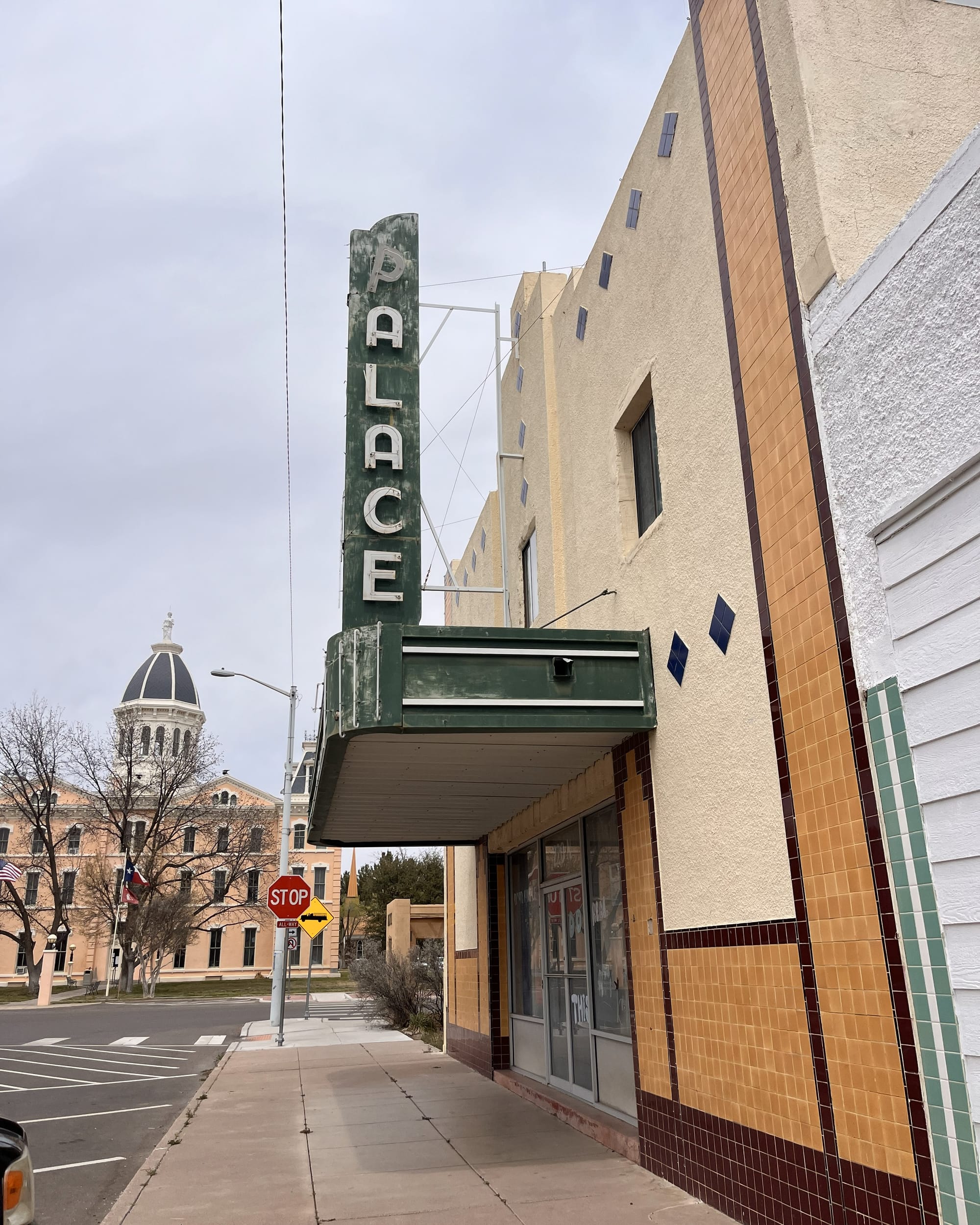
Your sign to stop in Valentine, or walk by the old theater on your way to the courthouse in Marfa. © Laura Pevehouse
Towns to Visit
Alpine - Alpine is home to Sul Ross State University, and the Alpine Cowboys, one of twelve baseball clubs that make up the independent Pecos League. It makes a good potential hub town because it’s situated geographically between Marfa, Fort Davis, and Marathon. Stop by their visitor center to learn more about their Historic Walking Tour, Hispanic Heritage Tour, Mural Tour, and even Ghost Tours.
Boquillas del Carmen - Pack your passport when you go to Big Bend National Park so you can make the river crossing to this little village in Mexico. U.S. currency is accepted in Boquillas, but bring smaller bills so that making change is easier, and so you can tip the villagers who ferry you across the Rio Grande and await on the other side with burros and horses you can ride into town. I walked the 1/2 mile, but in hindsight, I should have let the hooves navigate the sandy ground in the heat of summer.
At the moment, the Boquillas Crossing Port of Entry is open Friday through Monday, 9:00 am through 4:00 pm, but be sure to check the Big Bend National Park website for the most up-to-date information. On my return from a quick trip to see the sights, I had my first-ever video call with a border agent to prove I was who I was before being admitted back to the United States. You can’t bring back any of the delicious food or food products, but there are tons of other souvenirs the locals are happy to sell you, as this is the town’s primary source of income.
Fort Davis - As noted, Fort Davis is centrally located within the Davis Mountains at an elevation of 4,982 feet, which makes it one of the cooler places to stay if you visit Texas in the heat of summer. It’s also another great hub city if your plans include visiting the Guadalupe Mountains National Park. There are a couple of great options below for an overnight stay if you want to stargaze at the McDonald Observatory.
Fort Stockton - I’ll be honest, I haven’t done more than drive through Fort Stockton on my way from Austin, but you can’t miss its large metal sculpture of cavalry and a small Comanche hunting party positioned along Interstate 10. History buffs may be interested to know that the original fort, active from 1867-1886, was garrisoned by the 9th Cavalry, known as "Buffalo Soldiers," and four of the original buildings can be toured today. Today, the city lays claim to having the world’s tallest roadrunner, a statue named Paisano Pete.
Marathon - The closest town to the Big Bend National Park's north entrance, Marathon offers a lot of different lodging options that I’ll note below. Railroads made it a key shipping and supply point for area ranchers in the late 1800s, and it remains a center of the local ranching industry today.
Marfa - My very first post on this site pondered the unusual draw of this town. From its mystery lights to its position within the art world, I’m always amazed when I meet people who haven’t heard of it yet. If you only visit this town just for a day, you’ll see it all, and yet, also miss a lot. It really is hard to describe, so I recommend everyone see it for themselves. Note: One of the most-Instagrammed sites in West Texas (Kevin Bacon just posted a photo there) is called Prada Marfa, but it’s actually located in Valentine.
Terlingua - Often referred to as a ghost town, Terlingua actually has much life in it today, as enthused by the "Viva Terlingua" bumper stickers made famous by Texas country-rocker Jerry Jeff Walker’s album of the same name. Originally a mining town, it later became famous for its championship chili cook-off that draws over 10,000 chili fans from all over the world every November. Marathon may call itself the gateway to Big Bend, but Terlingua is literally on the doorstep of the park’s western Maverick Entrance.
Valentine - Blink and you might miss Valentine, but if you are passing through and see a truck door propped up by the side of the road with the words “Bar Open” painted on it, hit the brakes. Don’t be surprised if locals ride their horses right into the bar with you; it’s practically the only business in the only incorporated municipality in the county. And, yes, also stop here for that iconic photo op at Prada Marfa. Another random claim to fame for this town is that it was the epicenter of the largest ever recorded earthquake in Texas - magnitude 5.8 - on August 16, 1931.
Van Horn - Another railroad town, Van Horn sits at the intersection of Interstate 10 and US 90. Today, it also sits at the intersection of earth and space because Blue Origin set up a spaceport just north of town in 2006. The company’s first human launch from and returning to Van Horn occurred in 2021. For me, it was where I rerouted myself for an overnight hotel stay when my camping spot at Guadalupe Mountains National Park was set to experience below freezing temperatures and 80-mile-per-hour wind gusts.
Places to Stay
Alpine - There are several name-brand chain hotels and local boutique hotels in Alpine, but when I was there, I opted to stay at the Antelope Lodge, a 50s-era motor court with white stucco cottages facing a central courtyard. They have all the modern amenities such as wifi, air conditioning, and cable TV, and some also have kitchenettes in case you plan to stay a while. There are porches and chairs outside every room, where I enjoyed a nice glass of wine, or you can head to the main office/lobby area to hang out with other guests. They’re also pet-friendly.
Fort Davis - When in Fort Davis for the night, I stayed at the Fort Davis Drug Store Hotel. With just six rooms located above a vintage soda fountain and restaurant, it’s a truly unique accommodation. The drug store originally opened in 1913 inside the nearby (and still open) Hotel Limpia, but moved to its current location in 1950. Next time I go back to Fort Davis, I want to stay at Indian Lodge, which was undergoing an extensive renovation last time I was there. It’s a full-service hotel, with 39 rooms, a restaurant, and a swimming pool, located inside Davis Mountains State Park.
Marathon - Marathon is known to offer a wide variety of lodging options from RV parks to casitas or bed and breakfasts, but it’s probably most known for The Gage Hotel. Built in 1927 for Alfred Gage, who commissioned El Paso architect Henry C. Trost to design the property, it served as a headquarters for his 500,000-acre ranch. It was renovated as a hotel in 1978 with West Texas and Mexican-inspired decor.
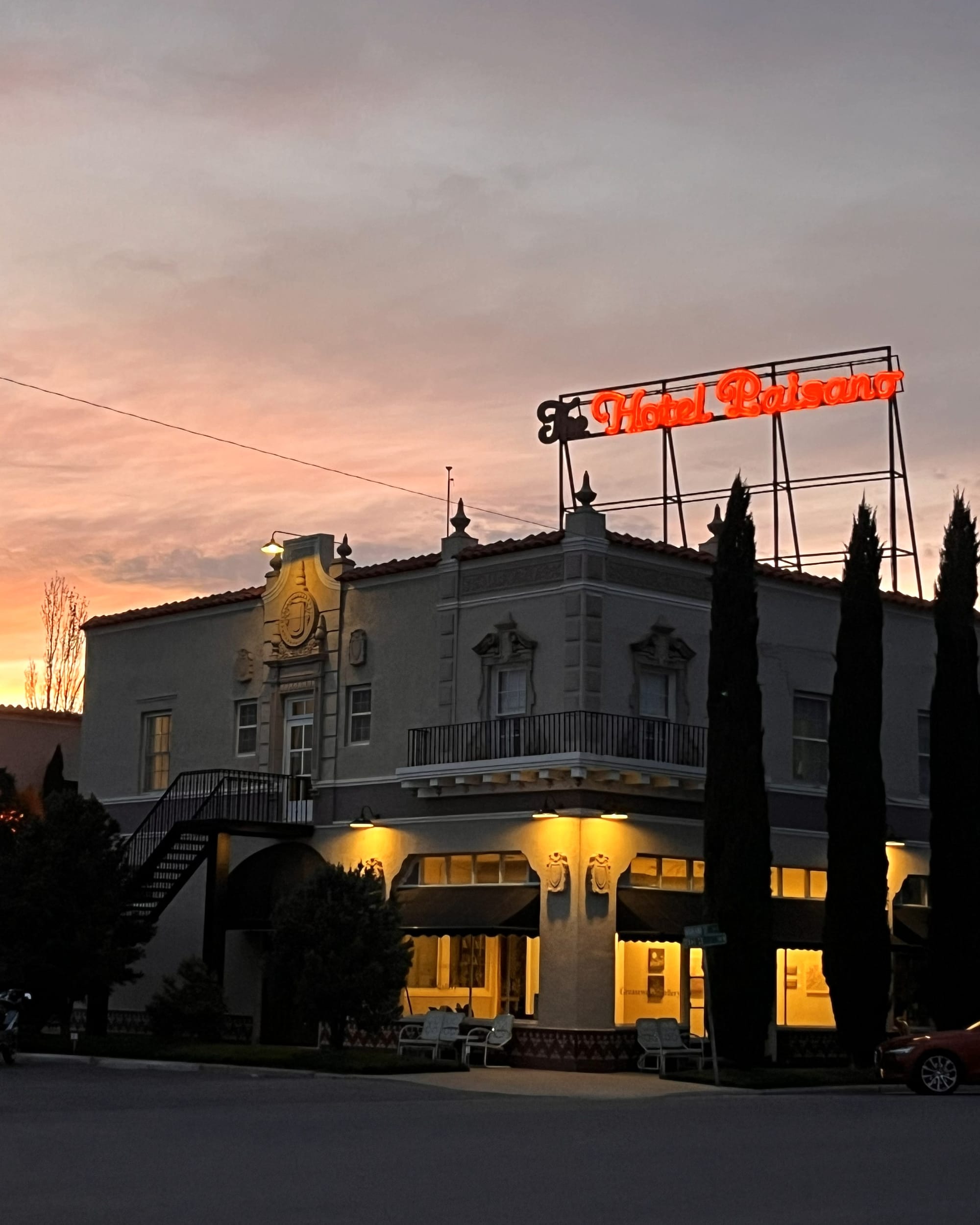
Marfa - One of the things that put Marfa on the map beyond West Texas was the filming of the movie Giant, and Hotel Paisano played host to the film’s crew and cast that included such notables as Elizabeth Taylor, Rock Hudson, and James Dean. Also designed by architect Henry Trost, it offers a variety of rooms and suites for those who want to feel like they’re part of Hollywood history. Since I opted on my second trip to stay several weeks in Marfa, I booked a small house near the Chinati Foundation with a screened-in front porch that my cat and I enjoyed bird watching from.
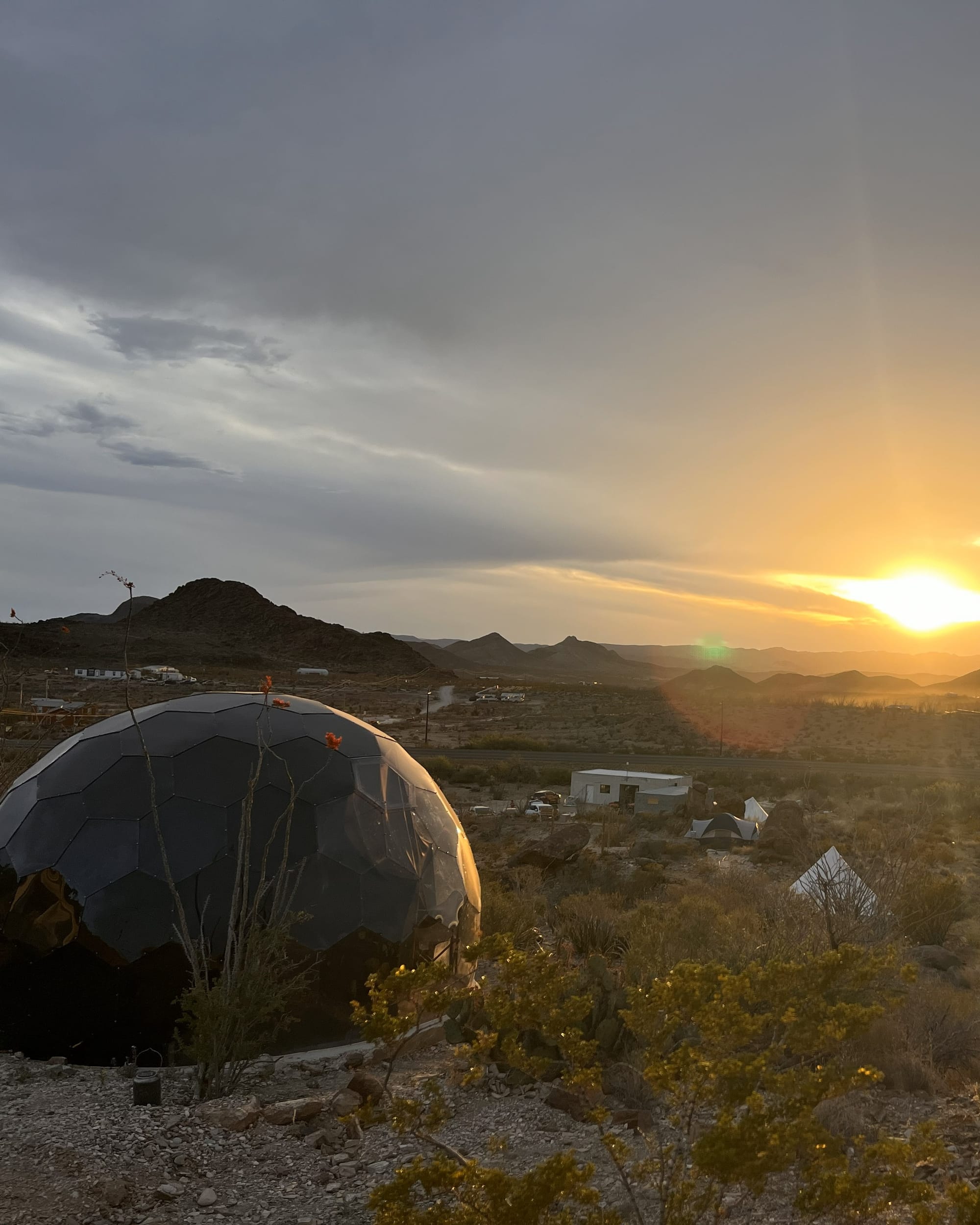
Terlingua - As mentioned, Terlingua calls itself a ghost town, so you won’t find chain hotels there, but lots of tiny homes, yurts, and other “glamping” spots have sprung up nearby in the past few years. I spent the night staring up at the constellation Orion from inside a geodesic dome at Space Cowboys Intergalactic Resort. It was only about 10 minutes from Big Bend National Park, which made it easier to get an early start to hiking its trails. And, set on the side of a hill, it made for great sunset viewing.
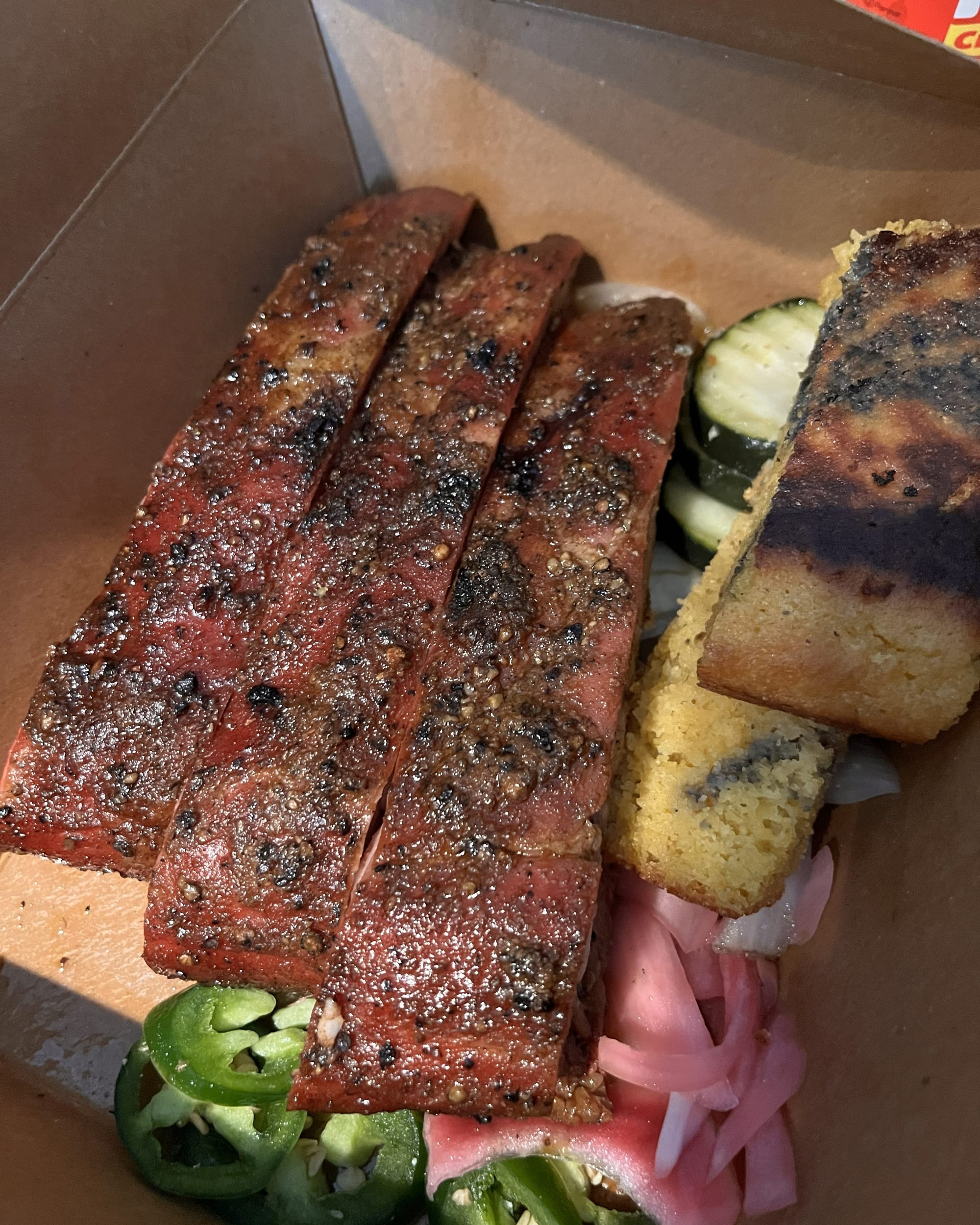
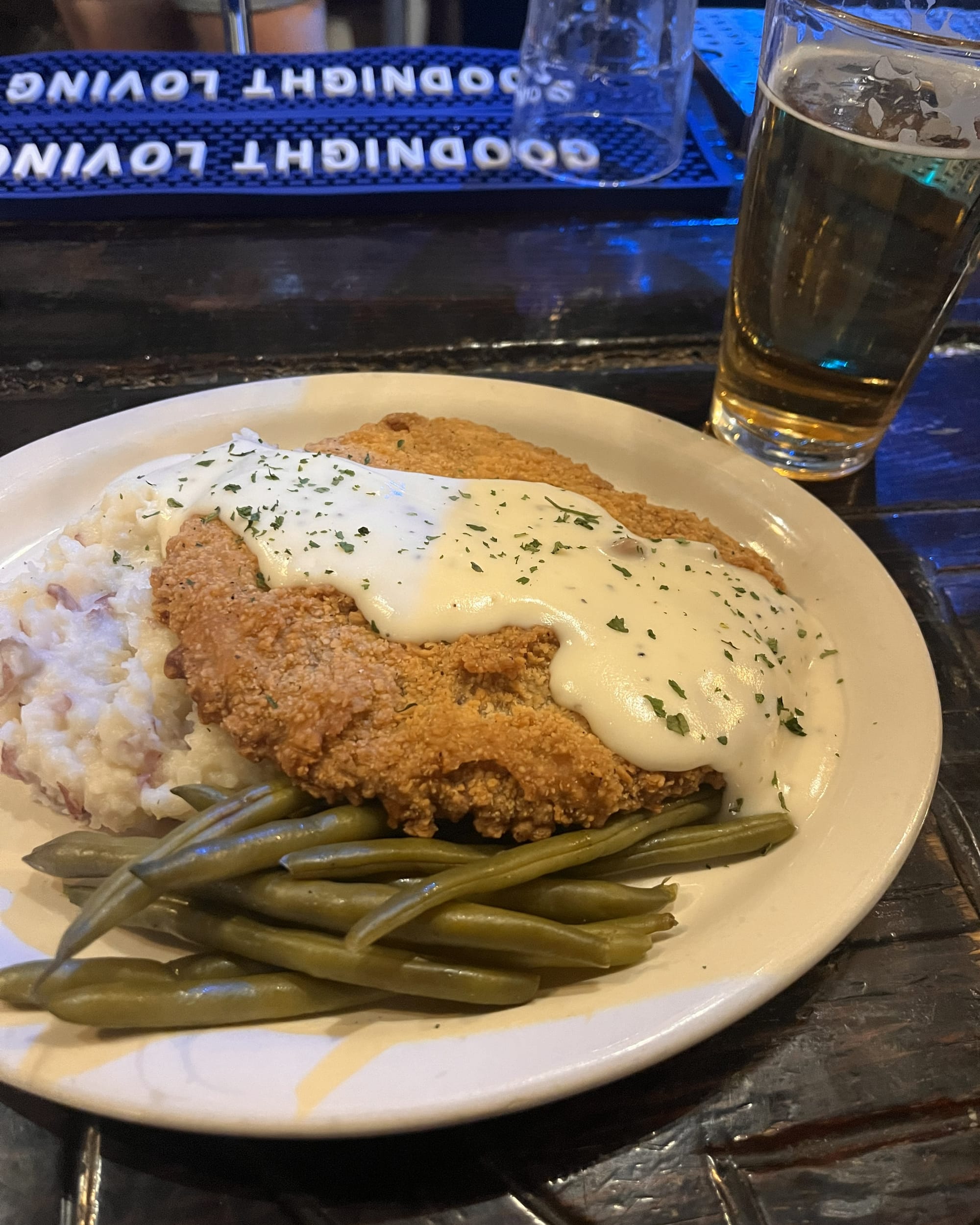
There's plenty of hardy fare, from Convenience West BBQ ribs to chicken-fried steak at La Kiva, to fuel your adventures. © Laura Pevehouse
Where to Eat
A lot of my dining recommendations are around Marfa because I’ve spent the most time there. And like Marfa, they range from inexpensive to high-dollar.
Starting at that top end is Cochineal, owned by three-time James Beard Semi-Finalist Chef Alexandra Gates. Reservations are encouraged, but I was able to walk in and get seated at the barstools across from the kitchen. They have their own on-site gardens, and also source from other regional farms and ranches in Marfa, Fort Davis, and Alpine, Texas. And I’m sure the meal was award-worthy, but to be honest, what stands out most in my memory is the date pudding dessert. It was divine.
A couple of less-expensive places I enjoyed in Marfa were The Water Stop and Convenience West. The Water Stop is American food with an eclectic twist, and was voted best burger in Marfa, so of course that’s what I had. Convenience is (was, they’re apparently “on a break” at this writing) delicious BBQ, only available on Friday and Saturday. I’d heard it was one of those places you have to line up early for, but I pulled up 10 minutes before opening and was 5th in line.
In Van Horn, a steak house seemed appropriate, so I went to the Van Horn Cattle Company. I grabbed a table at the bar, which I often prefer as a solo diner, and it turned out to be a perfect spot to watch several pre-prom couples and groups come in dressed in their best. I opted for the chicken-fried steak for dinner, and it did not disappoint.
My hairstylist in Austin actually recommended La Kiva when she heard I’d be staying near Terlingua. As the name implies, it’s built into the surrounding sandstone like a cave and is known for its bar and live music, as well as its food. I chose another chicken-fried steak, which was also delicious. I guess there’s just something about West Texas that makes me crave breaded and fried beef cutlets with mashed potatoes and gravy.
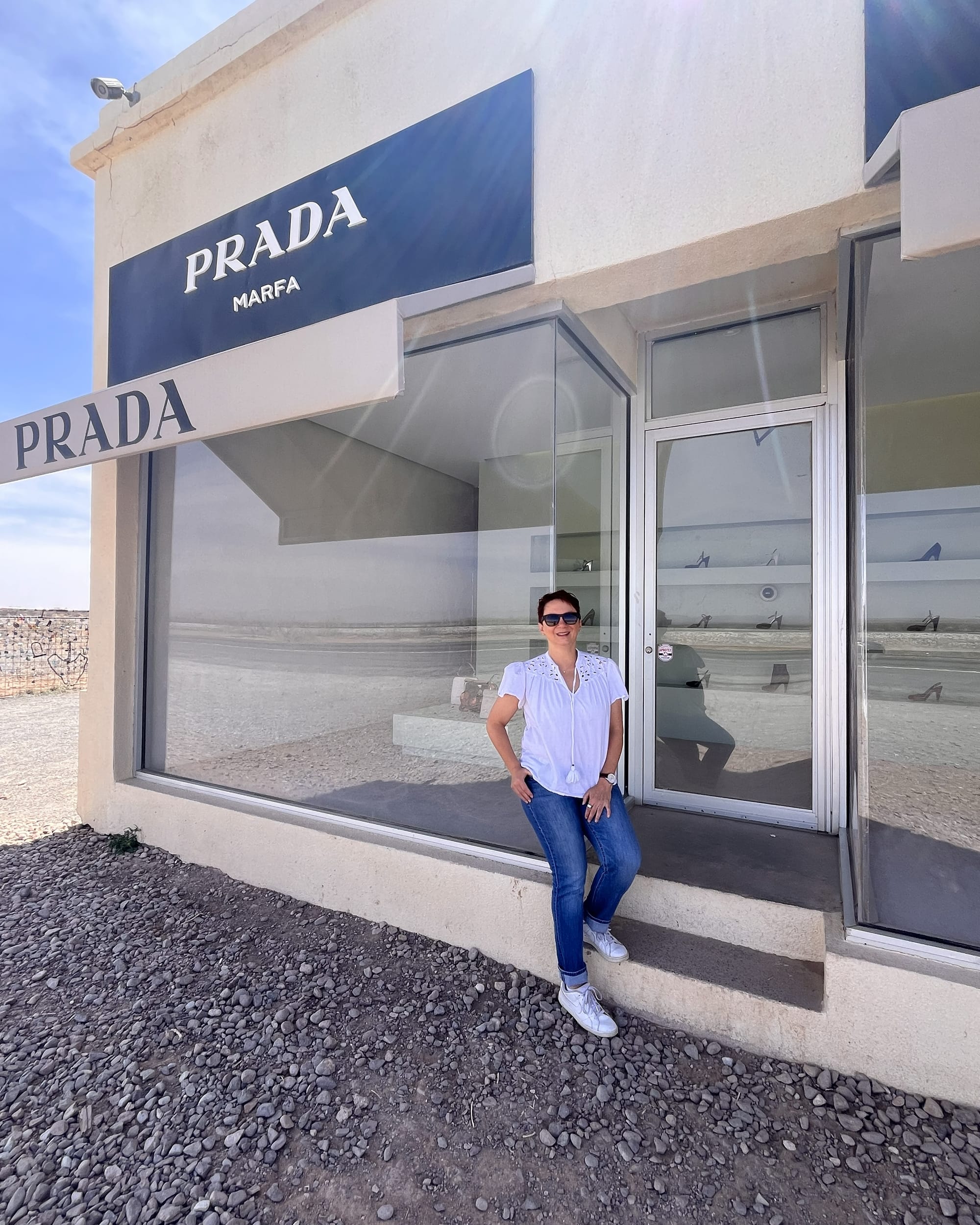
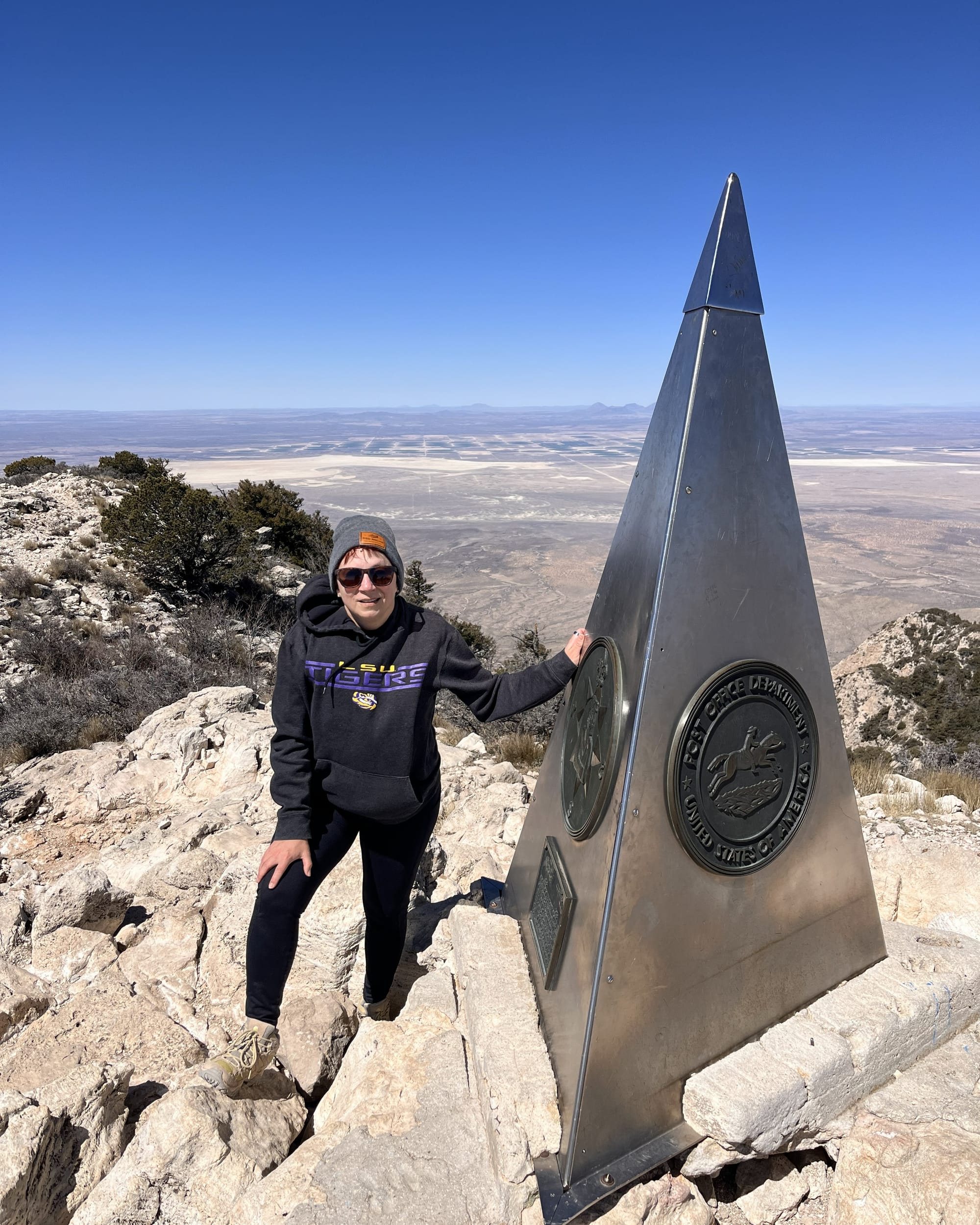
You can fill your Instagram with roadside art installations, like Prada Marfa, and hiking achievements like reaching the top of Guadalupe Peak, the tallest point in Texas. © Laura Pevehouse
Things to Do
Balmorhea State Park - As a long-time Austinite, one of the things I cherish about the city is Barton Springs Pool. We take great pride in its 3-acres of natural spring-fed water. But it can’t lay claim to being the world’s largest spring-fed swimming pool. That title belongs to Balmorhea State Park’s pool that was built by the Civilian Conservation Corps in the 1930s. Home to turtles and fish, it’s also popular with scuba divers (for a $5 dive fee). The only diving I did, ok, really more like cannonballing, was off the high board on the deep side, which goes down 25 feet. Basic park and pool entry for adults is $7, and children under 12 are free. It’s open year-round 8 a.m. to 7:30 p.m. or sunset, “whichever comes first.”
The University of Texas McDonald Observatory - built atop Mount Locke in 1932, two years before the Davis Mountains State Park was established around it, McDonald Observatory is accessible to the public Tuesday – Saturday 12-5 pm, and is closed on Sunday and Monday. They’re best known for their night sky constellation tours, known as Star Parties. You need to book your spot in advance, and then hope for clearer weather than I got when I went. They do offer refunds (minus a $3 processing fee) on cloudy nights, but I wasn’t able to come back another evening, so I just enjoyed what we could see between clouds and the education I received from the tour guides.
Davis Mountains State Park - Don’t let the nearby National Parks overshadow Davis Mountains State Park. It offers lots of great hiking and biking trails, as well as camping and the previously noted Indian Lodge. For the bird watchers, there’s a blind that offers an enclosed viewing station, a shielded outside patio, and watering and feeding stations. The entrance fee for adults is just $6, and kids under 12 are free.
Fort Davis National Historic Site - Fort Davis was established in 1854, and it, as well as the surrounding mountains, was named after then-U.S. Secretary of War Jefferson Davis. Like nearby Fort Stockton, it played a part in the history of the Buffalo Soldiers, and it is one of the best surviving examples of an Indian Wars frontier military post in the Southwest. Today, the fort is part of the National Park Service, which means you can use your America the Beautiful pass to enter one of the best surviving examples of an American frontier wars military post in the Southwest.
The Marfa Mystery Lights - Since the 1880s, unexplained, colorful orbs of light have been reported dancing on the horizon near Marfa, Texas. Attempts to explain them range from distant car headlights to ghosts, UFOs, or atmospheric effects like St. Elmo's Fire. In 2003, the Texas Department of Transportation built an official Marfa Lights Viewing Area 9 miles east of town on U.S. 90, towards Alpine. On my first visit, I found myself in the “it’s car headlights” contingent, but on my second trip, I saw lights come, go, and move in a different area where no road appears on the map. So the mystery remains in my mind.
Marfa Art - There are so many different opportunities to take in art around Marfa that I’m grouping several together here. I’ve seen everything there from Andy Warhol’s “The Last Supper,” to the Ayn Foundation, to the 15-foot-tall cut-out roadside murals in tribute to the Giant movie by artist John Cerney, to Darlene Marwitz’s mixed media “Ocotillo Days” that I fell in love with, and purchased, at Greasewood Gallery at Hotel Paisano. But it was Donald Judd who first brought the art world to Marfa, and in 2025, the National Park Service added the Donald Judd Historic District to the National Register of Historic Places. The district encompasses fifteen different buildings around town and one work of art maintained by the Chinati Foundation.
Guadalupe Mountains National Park - Far west in Far West Texas, about 30 miles north of Van Horn, you’ll find eight of the ten highest peaks in Guadalupe Mountains National Park. El Capitan is the iconic formation that most often visually represents the park, but Guadalupe Peak is actually the highest natural point in Texas, with an elevation of 8,751 feet above sea level. That point is marked by a stainless steel pyramid erected by American Airlines in 1958, and this is the photo opportunity that I spent at least 3 hours climbing toward, only to turn and hike another 3 down. It’s totally worth it.
Big Bend National Park - No list of things to do in Far West Texas would be complete without Big Bend National Park. Named for the curve of the Rio Grande at its southern border, it is a vast and beautiful place that protects more than 1,200 species of plants, more than 450 species of birds, 56 species of reptiles, and 75 species of mammals. I’ve passed through its western entrance three times and yet feel like I’ve barely seen it all. More than 500,000 visitors make the trek to it each year, with spring break being one of the most popular times, so plan accordingly. Entrance is $30 for cars, $25 for motorcycles. Note: Two large construction projects in the popular Chisos Basin area are scheduled to begin May 1, 2026, and continue for approximately two years.
Big Bend Ranch State Park - Another option if you want to avoid National Park crowds is “right next door.” Big Bend Ranch State Park has 238 miles of trails for hiking, biking, and riding horses. Entrance is just $5 for those 13 years and older. I’ve not been - yet - but it’s supposed to be a more rugged, remote, and undeveloped experience than the National Park. A higher-clearance vehicle than I have is probably best.
Also on my list for my next trip… the Chihuahuan Desert Nature Center south of Fort Davis. At a spot there called Clayton's Overlook, there is supposed to be a great exhibit that provides a key to the volcanic history of the Davis Mountains and shows how geology has shaped the region's history and culture.
I’ve not made it to the Museum of the Big Bend in Alpine, either. It’s been called “surprisingly impressive” and is said to provide visitors with an overview of the region's human occupation that spans the last eleven thousand years.
And, I ran out of time last time to take in the view around Marfa from a glider. So that’s also on my list.
That's the thing about Far West Texas—it’s so expansive, there's always something new to discover, a new road to drive. Like that stretch of Highway 17 between Balmorhea and Fort Davis that I couldn't resist driving twice, this entire region beckons you to return.
My 16-year-old self couldn't see what my father saw in this landscape, but now I understand. And I’ll keep going back to see it again.
Comments